
With more than four decades devoted to LGBTQ+ equality, political strategy, and institution-building, Bean's career traces a rare arc from grassroots protest to lasting policy change.
PORTLAND, OR / ACCESS Newswire / January 19, 2026 / At 77 years old, Terry Bean remains one of the most consequential figures in the modern American civil rights movement. With more than four decades devoted to LGBTQ+ equality, political strategy, and institution-building, Bean's career traces a rare arc from grassroots protest to lasting policy change. As debates over civil rights intensify across the country, Bean is reflecting on where the movement has been and why sustained engagement matters more than ever.
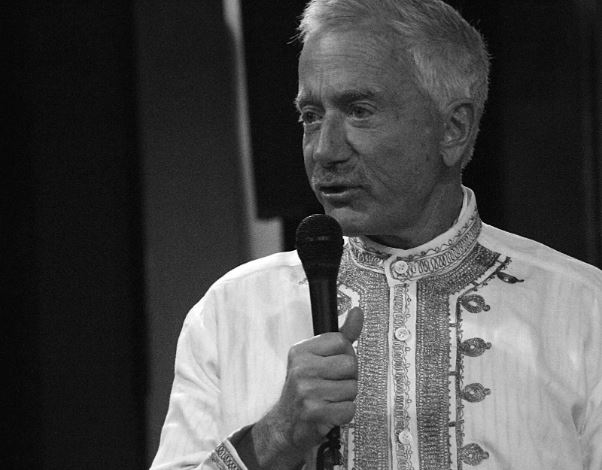
"I have spent my life watching progress being built, challenged, and rebuilt again," Bean says. "The biggest lesson is that rights only last when people stay involved."
Early Activism That Shaped a Movement
Born in Portland, Oregon, and raised as a fifth-generation Oregonian, Bean developed a deep sense of civic responsibility early in life. After graduating from Lake Oswego High School, he attended the University of Oregon on a Chick Evans Golf Scholarship and earned a bachelor's degree in political science. While on campus during the late 1960s, Bean joined anti-Vietnam War demonstrations that introduced him to organized resistance and public mobilization.
Those early protest lines taught Bean how movements gain momentum. He learned that change requires planning, numbers, and persistence. The experience also revealed the limits of protest alone and the importance of engaging political systems directly. By the early 1970s, Bean began channeling that insight into legislative advocacy.
Turning Advocacy Into Law
In 1971, Terry Bean started lobbying the Oregon State Legislature and the Eugene City Council, pushing for protections for LGBTQ+ residents at a time when such efforts were widely resisted. His work helped lead to the passage of one of Oregon's first gay rights ordinances in 1977, marking a historic step forward for the state and setting a precedent for future reform.
"That ordinance mattered because it proved equality could be written into law," Bean recalls. "It showed people that progress did not have to remain symbolic."
The victory also made clear that gains could be reversed without broader support. As opposition movements gained traction nationally, Bean recognized the need to expand advocacy beyond local jurisdictions.
Building National Power
In response to a wave of anti-gay ballot initiatives in the late 1970s, Bean co-founded the Gay Rights National Lobby and the Human Rights Campaign Fund. These organizations later merged to form the Human Rights Campaign, which has grown into the largest LGBTQ+ advocacy organization in the United States.
Bean helped design the movement's early national strategy, focusing on political influence, fundraising, and long-term infrastructure. He launched the GRNL 48 donor network, which later evolved into the HRC Federal Club, creating a sustainable funding base that allowed advocacy efforts to endure beyond election cycles.
Since 1980, Bean has served on the Human Rights Campaign's Board, contributing to political endorsements, fundraising strategies, and organizational development. His leadership helped move LGBTQ+ issues from the margins of national politics into mainstream policy conversations.
Measure 9 and the Power of Coalition
One of the defining chapters of Bean's career came during Oregon's Measure 9 campaign in the early 1990s. The ballot initiative sought to define homosexuality as abnormal within the state constitution. Recognizing the stakes, Bean stepped forward to help lead the opposition.
The campaign raised more than $1 million and united a diverse coalition that included teachers, parents, business leaders, labor organizations, and faith communities. Measure 9 was defeated, delivering a major victory for civil rights advocates nationwide.
"That fight proved something important," Bean says. "When you talk to people honestly about dignity and fairness, fear loses its grip."
The campaign became a national case study in defeating discriminatory ballot measures and reshaped how activists approached voter outreach.
Bridging Business and Advocacy
Beyond activism, Bean built a successful career in real estate. As President and CEO of Bean Investment Real Estate, he has overseen large-scale commercial and multi-family developments across the country. His business expertise played a critical role in strengthening advocacy institutions.
In 2000, Bean co-chaired the Human Rights Campaign's Capitol Campaign, which resulted in the purchase of a permanent national headquarters in Washington, D.C. His ability to navigate complex real estate transactions ensured the organization secured a stable base of operations near federal policymakers.
"Movements need physical and financial foundations," Bean explains. "Ideas do not survive without infrastructure."
The Current Civil Rights Climate
Today, Bean believes the United States faces a pivotal moment. While landmark victories such as marriage equality reshaped the legal landscape, new legislation continues to threaten LGBTQ+ protections in many states. Restrictions on transgender healthcare, education, and public participation signal renewed resistance.
Bean warns against complacency fueled by cultural visibility. Acceptance in popular culture does not guarantee legal security.
"Rights can be undone quietly and quickly," he says. "That is why constant engagement matters."
A Call for Sustained Civic Engagement
Bean urges Americans to remain active participants in democracy. He emphasizes voting, advocacy, and coalition-building as essential tools for protecting civil rights. He also stresses the importance of intersectional organizing, noting that equality movements succeed when they support one another.
"When labor rights, racial justice, and LGBTQ+ equality work together, progress accelerates," Bean says. "Isolation weakens movements. Unity strengthens them."
Mentorship and the Next Generation
At 77, Bean devotes increasing energy to mentoring younger activists and political leaders. He shares lessons drawn from decades of victories and setbacks, emphasizing patience, strategy, and resilience.
"The goal is not quick wins," he says. "The goal is lasting change."
He encourages emerging leaders to understand history, build durable organizations, and prepare for long-term commitment.
Looking Forward
Despite ongoing challenges, Bean remains optimistic. He believes that informed, organized communities can protect existing rights while expanding equality further.
"I am not slowing down," Bean says. "I am focused on making sure the next generation is ready. Progress depends on people who refuse to disengage."
About Terry Bean
Terry Bean is a civil rights activist, philanthropist, and business leader based in Portland, Oregon. He co-founded the Human Rights Campaign and the Gay Rights National Lobby and has spent more than 40 years advancing LGBTQ+ equality nationwide. He also serves as President and CEO of Bean Investment Real Estate and remains active in mentoring emerging advocates.
Contact Info
For more information about Terry Bean and his ongoing work, visit terry-bean.info.
For Media Inquiries: Bean Investment Real Estate
Portland, OR
Email: info@beanrealestate.com
Phone: (415) 494-4103
SOURCE: Terry Bean
View the original press release on ACCESS Newswire